We hear it all the time “Is leather sustainable?”
It’s a fair question. And like most things in sustainability, the answer isn’t black and white.
To understand where leather stands, we have to zoom out and look at the bigger picture: materials, waste, and how long the things we buy last.
What Leather Really Is
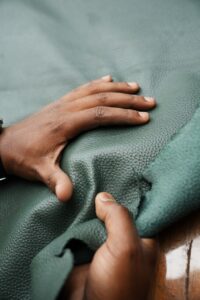
Leather is not a standalone industry in the way many people assume. It is a byproduct of the meat industry, meaning the hides already exist as a result of food production not because animals are raised specifically for leather.
Instead of being discarded, these hides are processed and turned into something usable. In that sense, leather sits in a space of resource utilization rather than primary production.
That doesn’t make it impact-free, but it does change how we think about it.
Methane Conversation
When people talk about leather and the environment, methane often enters the conversation.
According to organizations like the Climate and Clean Air Coalition, methane is a powerful greenhouse gas over 80 times more potent than CO₂ over a 20-year period. A significant portion of methane emissions comes from livestock.
However, methane behaves differently from carbon dioxide. It breaks down in about 10-12 years, meaning its impact is intense but relatively short-lived compared to long-lasting gases.
So yes livestock contributes to climate concerns. But leather itself is not the driver of that system; it exists after it.
Compare Fast Fashion and Plastics
On the other side of the conversation is something we interact with every day: synthetic materials.
According to Our World in Data, the world produces hundreds of millions of tons of plastic waste each year. Much of it ends up in landfills, rivers, and oceans where it can remain for hundreds of years.
Unlike methane, which fades over time, plastic doesn’t simply go away. It breaks down into microplastics, entering ecosystems, wildlife, and even the human body.
Fast fashion plays a major role here. Many modern accessories and bags are made from plastic-based materials designed for short-term use worn briefly, then discarded.
So while methane contributes to short-term climate warming, plastic contributes to long-term environmental accumulation.
Different problems. Different timelines. Both are important.
So, Where Does Leather Fit?
Leather sits in an interesting middle ground.
It is:
- A byproduct, not the primary driver of livestock production
- A natural material, not plastic-based
- And most importantly, a material known for longevity
A well-made leather product isn’t designed to last a season, it’s designed to last years, sometimes decades.
That matters more than it seems.
Because sustainability isn’t only about what something is made of.
It’s also about how often it needs to be replaced.
A product that lasts 10 years reduces the need for 10 replacements.
And fewer replacements mean less production, less waste, and less impact overall.
Processing and Responsibility?
Of course, how leather is processed also matters.
Leather production involves tanning, and like many industries, its environmental impact depends heavily on how responsibly it’s done.
That’s why sourcing becomes important.
Rather than treating leather as automatically “good” or “bad,” a more accurate view is this:
it depends on the practices behind it.
Our Perspective at Joywot)
At Joywot, we don’t start with the goal of being perfect we start with the goal of being intentional.
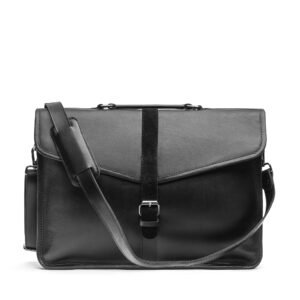
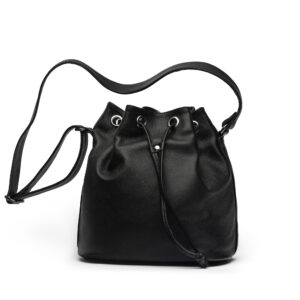
We choose leather because of its durability, longevity, and ability to age with use rather than be discarded.
We work with trusted suppliers who source their materials from partners that follow responsible practices in how leather is processed.
And we think about small things too.
Every bag comes with a reusable cotton dust bag, so there’s no need for additional plastic packaging because sustainability is often built through many small decisions, not just one big one.
The Bigger Picture
In the end, the question isn’t simply
“Is leather good or bad?”
A better question might be:
“What kind of consumption are we supporting?”
- Fast, disposable, short-lived products?
- Or fewer, longer-lasting pieces that stay with us over time?
Because sustainability isn’t just about materials.
It’s about habits, lifespan, and choices.
And sometimes, the most sustainable thing we can do
is simply choose something that lasts.