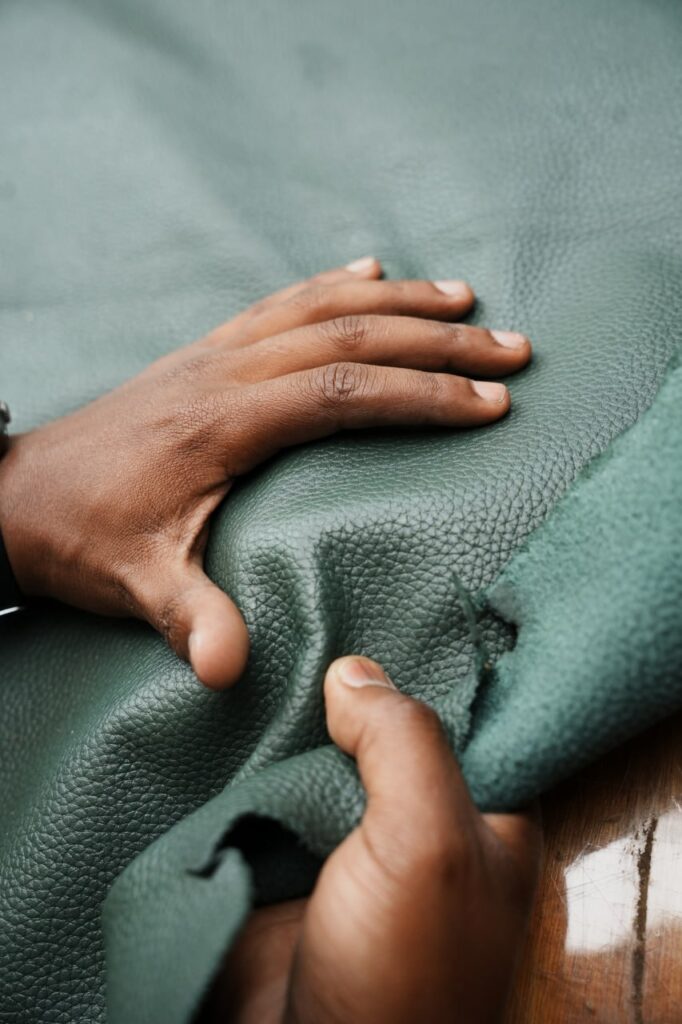
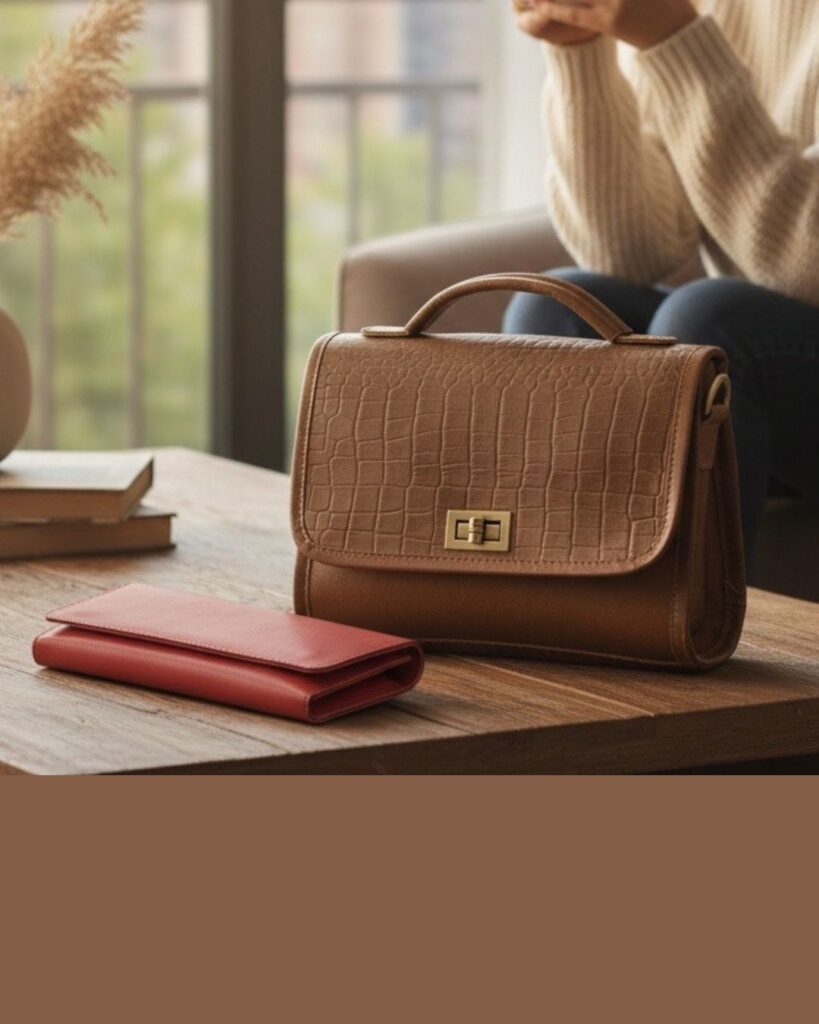
Sometimes it isn’t the color that makes you look twice. It’s the texture. You notice the shape of a bag, then the color and when you get a little closer, you see the grain. That subtle texture can completely change the personality of a design. Pebbled leather is known for its distinctive raised surface. It has more visible texture than smooth leather, giving a bag a different look and feel without making one finish better than the other. At JOYWOT, that difference is exactly what interests us. Texture is another part of the design just like color, shape, and hardware. One Leather, A Different Mood Think about the same handbag made in two different finishes. In smooth leather, it may look clean, sleek, and structured. In pebbled leather, that same silhouette can feel softer, more relaxed, and more textured. Neither one is the “luxury” version. They simply tell different style stories. That is one of the reasons leather gives designers so much room to play. Sometimes a bag needs a cleaner surface. Sometimes a little grain gives the shape exactly the character it needs. According to Leather Advice, pebbled leather is widely used for handbags and accessories, and its textured surface can also make small scratches and everyday marks less noticeable than on very smooth leather. For a bag you plan to carry not just admire that can be a useful quality. How Joywot Uses Pebbled Leather At Joywot, we choose texture based on the personality of the bag. Our pebbled leather bucket bag is a good example. The bucket silhouette already has an easy, relaxed quality, and the texture works naturally with that shape. Pair it with denim, a simple dress, or an everyday weekend look and it feels effortless without looking unfinished. With one of our newer top-handle bags, we wanted something different. Instead of choosing between pebbled and smooth leather, we brought the two together. The smooth leather gives the design a clean, structured element, while the pebbled leather introduces texture and contrast. Together, the two finishes create a look that feels casual yet polished, easy enough for daytime but refined enough to dress up. That is where texture becomes more than just a surface treatment. It becomes part of the personality of the bag. So, Pebbled or Smooth? There really is no right answer. If you love a clean, sleek look, smooth leather may naturally catch your eye. If you enjoy visible texture and a slightly more relaxed feel, you may find yourself reaching for pebbled leather. And sometimes, you don’t have to choose at all. At JOYWOT, we love smooth leather, pebbled leather, suede, and combinations of different finishes because each one gives us another way to tell the story of a design. So next time a handbag catches your attention, look a little closer. Maybe it isn’t only the color or the shape you love. Maybe it’s the texture.
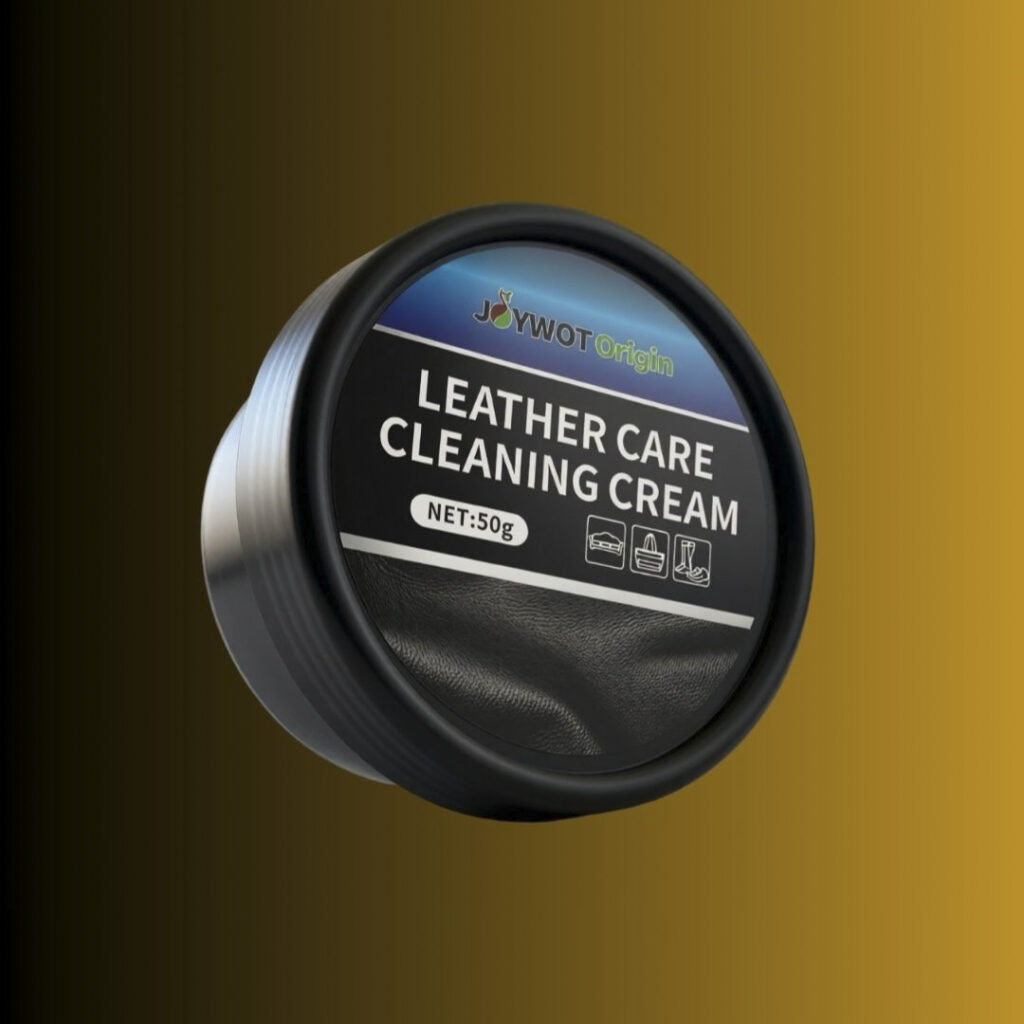
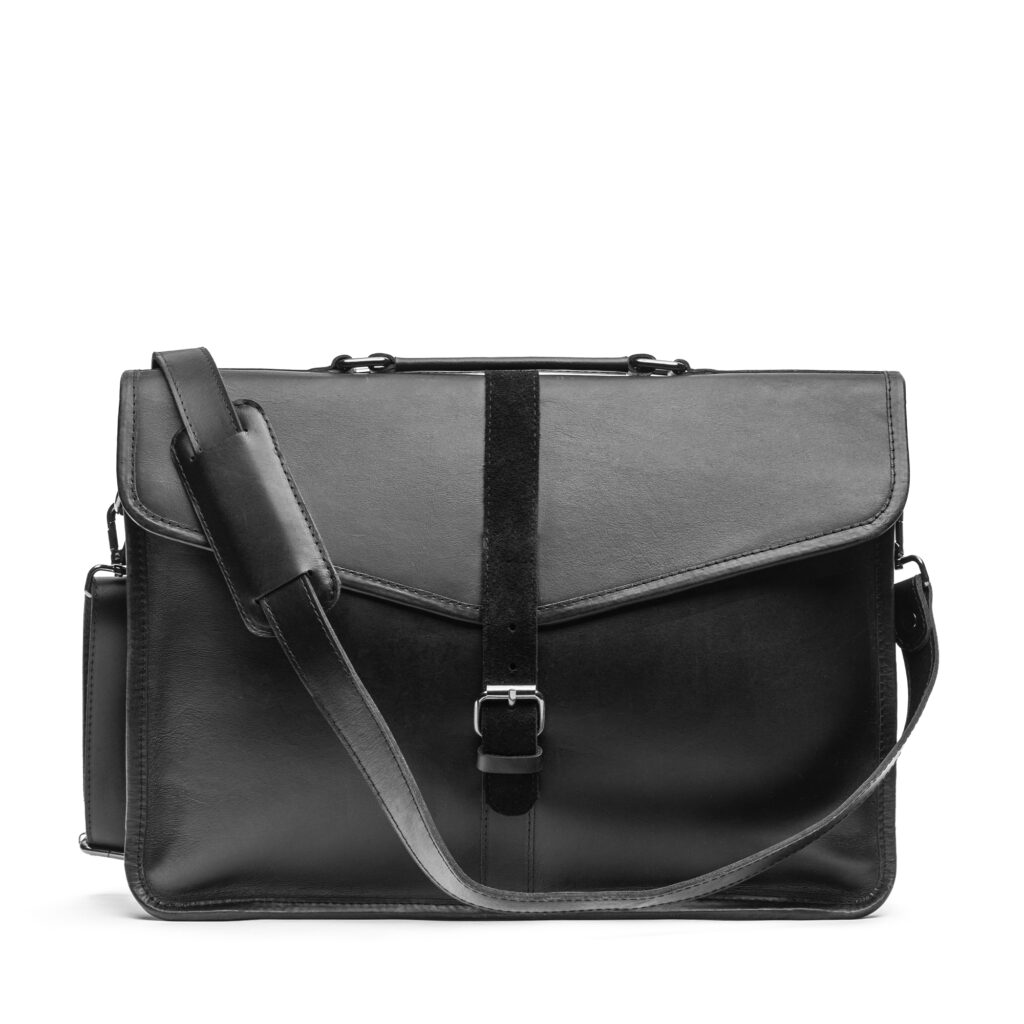
Buying a handcrafted leather bag is an investment in a piece of art built to last a lifetime. At Joywot Origin, our bags are meticulously crafted using 100% full-grain Ethiopian leather. As we explained in our guide on Common Leather Myths, real leather is organic and porous. Just like our skin, it requires regular hydration. To make caring for your investment effortless, most of our bags ship with our custom-formulated Joywot Leather Cleaning and Caring Cream, which is also available to purchase separately on our store. Because we combine robust cowhides with delicate suede details on pieces like our Leather Messenger Bag with Flap, a one-size-fits-all approach will not work. Here is the exact step-by-step routine to maintain your collection using your included Joywot care essentials. The Core 3-Step Routine Using Your Joywot Cleaning Cream Found on: The Leather Bucket Bag, Large Leather Tote, and Backpack. Our signature full-grain cowhide features beautiful pull-up leather deeply infused with natural waxes. Every 3 to 6 months or whenever your bag begins to look dry or loses its luster give it a deep conditioning treatment using your Joywot cream. Our custom formula uses a cosmetic-grade, neutral non-phosphorus blend designed to deeply nourish without damaging the surface. Here is how its main ingredients protect your bag: Coconut Oil & Glycerin: Act as natural moisturizers that penetrate deep into the dense pores, restoring flexibility and keeping the full grain hide from cracking. Sodium Stearate & Emulsified Wax: Create a smooth, protective surface layer that repels dirt and locks in moisture. Brighteners: Safely lift away surface dirt and quickly dissolve minor everyday stains to restore the leather’s deep, vibrant color. How to Apply It: Prep: Wipe the bag down with a dry, lint-free microfiber cloth to remove loose surface dust. Apply: Dip an application sponge into an appropriate amount of your Joywot cleaning cream. Massage: Rub the sponge across the leather panels using gentle, even circular motions. For stubborn stains, repeat the process gently. Buff: Wipe off any excess residue with a clean, dry towel. Your bag will dry to a beautiful, nourished sheen. Note: If your bag gets caught in heavy rain, blot the water away immediately with a towel. Let it air-dry naturally at room temperature never use a hairdryer or place it near a radiator, as direct heat will cause natural fibers to stiffen. Suede Panels and Accents Found on: The Black Leather Messenger Bag flapped sections and the Suede Hobo Bag. Suede is loved for its soft, velvety texture, but its open fibers make it highly susceptible to liquid stains. Crucial rule: Do not use your liquid cleaning creams or conditioners on suede. Keep it Dry: Only use a dedicated, dry suede brush to clean these sections. Gently brush the suede in a single direction to lift trapped dust and reset the soft texture (the nap). Spot Cleaning: For dry scuffs on suede panels, rub a clean pencil eraser or specialized suede eraser gently over the spot to lift the mark without altering the fibers. Structural Storage in Your Joywot Calico Bag How you store your bag when it is not in use determines whether it holds its beautiful silhouette or permanently creases. Every Joywot bag comes packaged with its own breathable calico fabric dust bag for long-term protection. Stuffing is Essential: For soft-structured items like our Leather Bucket Bag, fill the interior with clean, acid-free tissue paper or rolled-up cotton clothing when storing. This keeps the round base from flattening or collapsing. Sit on the Base: Do not hang heavy bags like the Messenger or Backpack by their straps long-term in your closet. This stretches out the leather handles and puts undue stress on the seams. Always sit the bag flat on its base on a shelf. Use the Calico Bag: Slide your stuffed bag into its original Joywot calico dust bag. Never seal premium leather in plastic bags, which trap humidity and breed mold. Store the bag on a cool, dry shelf entirely away from direct sunlight to prevent the dyes from unevenly fading.
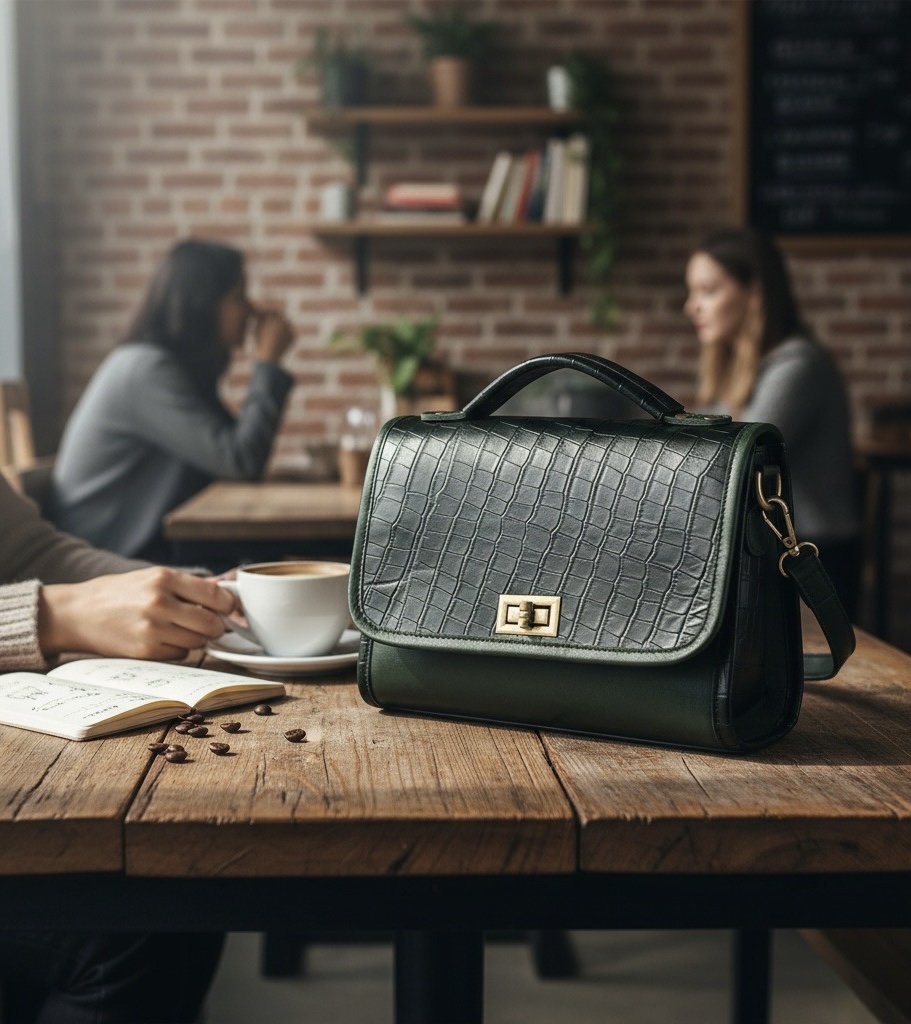
“Genuine Leather” is the Highest Quality Grade Many consumers mistakenly believe “Genuine Leather” is a stamp of top-tier quality. It is a low-grade classification. It often refers to leather that has been sanded, painted, or bonded, and it is far less durable than “Full-Grain” or “Top-Grain” leather. Leather is Completely Waterproof While leather is naturally water-resistant, it is not waterproof. Because it is a porous, organic material, it can absorb water, which may cause it to stiffen, crack, or develop water stains if not properly treated and maintained. All Leather Should Be Soft to the Touch Softness is often conflated with quality, but the texture of leather is heavily dependent on the tanning and finishing process. Many high-quality, durable leathers (like vegetable-tanned leathers) are intentionally firm and structured and will develop a unique patina over time that is softer. Real Leather Does Not Need Conditioning Just like skin, leather loses its natural oils over time through exposure to sunlight, heat, and usage. If it is never conditioned, it will eventually dry out and crack. Regular care is required to maintain its longevity. “Bonded Leather” is Real Leather Bonded leather is essentially the “particle board” of the leather world. It is made from shredded leather scraps mixed with polyurethane or other binders and pressed onto a backing material. It lacks the structural integrity and longevity of solid, genuine leather. Leather Does Not “Breathe” There is a misconception that leather is an airtight barrier. High-quality leather is a breathable, porous material. This is why it is comfortable for footwear and jackets it allows for moisture vapor to pass through, which prevents the buildup of sweat and odors that occur with non-breathable plastic synthetics. The Smell Test is a Reliable Way to Identify Real Leather Many people believe that if a product has a strong, pungent “leather” smell, it must be genuine. This is unreliable because synthetic materials can be easily treated with artificial scents to mimic the smell of leather. Conversely, high-quality, vegetable-tanned leather may have a much more subtle, earthy scent compared to the chemically intense odor of some mass-produced, chrome-tanned items. All Scratches Ruin Leather Consumers often panic when they see the first scratch on a new bag. However, with high-quality, full-grain leathers, surface scratches are often just a rearrangement of the natural oils and fibers within the grain. Many of these marks can be buffed out with oils from your fingertips or soft cloth, and they are part of the process that contributes to the beautiful, unique patina that evolves over years of use.
Run your hand across a leather bag or jacket, and youalready know before the price tag, before the label whether it feels right.Some leathers feel soft and inviting, others firm and structured, and some sitperfectly in between. That difference isn’t random. It comes from the type ofhide itself. If you’ve ever wondered why one leather feels luxurious and otherfeels built for a lifetime, this guide breaks it down in a way that makessense. Understanding the Different Types of Leather At the most basic level, leather comes from different animalhides and those alone shapes everything. Lambskin(sheepskin) comes from younger sheep. It’s known for its fine grainand incredibly soft, smooth surface. Cowhidecomes from mature cattle. It’s thicker, denser, and naturally morestructured. Goatskincomes from goats and is instantly recognizable by its slightly pebbledtexture and natural flexibility. These differences aren’t just visual, they come from thethickness of the skin, the density of the fibers, and even the natural oilswithin the hide. What Each Leather Is Best Used For Each leather type has a purpose, and the best choice dependson how you plan to use it. Lambskinis often used for luxury items fashion jackets, high-end handbags, andpieces where softness matters most. It’s about feel and elegance. Cowhideis the go-to for durability. You’ll see it in belts, structured bags,boots, and outerwear designed to last through heavy use. Goatskinsits in the middle. It’s commonly used for gloves, everyday bags, andlightweight jackets because it offers both comfort and resilience. Think of it this way: lambskin is for experience, cowhide isfor endurance, and goatskin is for balance. Durability: How Each Leather Holds Up Over Time Durability is where the biggest differences show. Cowhideis the strongest of the three. Its thick fibers make it resistant to wear,scratches, and even some moisture. Over time, it develops a patina ratherthan breaking down. Goatskinis surprisingly tough for its weight. It’s more resistant than lambskinand naturally flexible, meaning it doesn’t crack as easily. Lambskin,while beautiful, is more delicate. It can scratch and wear faster if notcared for properly. That said, “less durable” doesn’t mean “low quality.”Lambskin simply prioritizes softness over toughness. Price Point: Why Some Leathers Cost More Price isn’t just about supply, it’s about experience. Lambskinis typically the most expensive. Its softness, fine grain, and the carerequired to process it all add to its value. You’re paying for luxury andfeel. Goatskinusually sits in the middle. It offers strong performance and versatility,making it a practical investment. Cowhideis often the most affordable, largely because it’s widely available andeasier to process at scale. But here’s the nuance: high-quality cowhide can still bepremium, especially when it’s full-grain and well-finished. Texture, Weight, and Everyday Feel Beyond durability and price, the everyday experiencematters. Lambskinis lightweight and drapes naturally. It feels almost effortless to wear. Cowhideis heavier and more structured. It holds its shape and gives a moredefined, rugged look. Goatskinoffers a flexible structure lighter than cowhide but more substantial thanlambskin. This is often what people respond to instantly when theytouch a product. So, Which One Should You Choose? There isn’t a single “best” leather only the right one foryour purpose. Chooselambskin if you want softness, elegance, and that unmistakableluxury feels. Choosecowhide if you want strength, structure, and something that canhandle years of use. Choosegoatskin if you want a bit of both comforts without sacrificingdurability. At the end of the day, leather is personal. It’s not justabout how it looks, it’s about how it feels in your hands and how it fits intoyour life. Our Approach at Joywot At Joywot, our choice of leather is intentional. Weprimarily use cowhide because our goal is to create bags that are not onlybeautiful, but durable enough to be part of your everyday life for years. Webelieve in making pieces that hold their structure, age gracefully, and staywith you over time. We are not fast fashion. We design with a slow fashionmindset focusing on quality, longevity, and thoughtful craftsmanship ratherthan trends that come and go. At the same time, we also recognize where softness matters.That’s why, in some of our designs, we incorporate lambskin on the interior,where a softer touch enhances the experience. Instead of relying solely onstandard linings, we use materials more intentionally choosing what works bestfor both function and feel. For us, it’s never about using one leather over another.It’s about using the right leather, in the right place, for the right purpose. Source – [Billy Tannery] [Fimy Apparel] [LuxLeather USA]
We hear it all the time “Is leather sustainable?”It’s a fair question. And like most things in sustainability, the answer isn’t black and white. To understand where leather stands, we have to zoom out and look at the bigger picture: materials, waste, and how long the things we buy last. What Leather Really Is Leather is not a standalone industry in the way many people assume. It is a byproduct of the meat industry, meaning the hides already exist as a result of food production not because animals are raised specifically for leather. Instead of being discarded, these hides are processed and turned into something usable. In that sense, leather sits in a space of resource utilization rather than primary production. That doesn’t make it impact-free, but it does change how we think about it. Methane Conversation When people talk about leather and the environment, methane often enters the conversation. According to organizations like the Climate and Clean Air Coalition, methane is a powerful greenhouse gas over 80 times more potent than CO₂ over a 20-year period. A significant portion of methane emissions comes from livestock. However, methane behaves differently from carbon dioxide. It breaks down in about 10-12 years, meaning its impact is intense but relatively short-lived compared to long-lasting gases. So yes livestock contributes to climate concerns. But leather itself is not the driver of that system; it exists after it. Compare Fast Fashion and Plastics On the other side of the conversation is something we interact with every day: synthetic materials. According to Our World in Data, the world produces hundreds of millions of tons of plastic waste each year. Much of it ends up in landfills, rivers, and oceans where it can remain for hundreds of years. Unlike methane, which fades over time, plastic doesn’t simply go away. It breaks down into microplastics, entering ecosystems, wildlife, and even the human body. Fast fashion plays a major role here. Many modern accessories and bags are made from plastic-based materials designed for short-term use worn briefly, then discarded. So while methane contributes to short-term climate warming, plastic contributes to long-term environmental accumulation. Different problems. Different timelines. Both are important. So, Where Does Leather Fit? Leather sits in an interesting middle ground. It is: A byproduct, not the primary driver of livestock production A natural material, not plastic-based And most importantly, a material known for longevity A well-made leather product isn’t designed to last a season, it’s designed to last years, sometimes decades. That matters more than it seems. Because sustainability isn’t only about what something is made of.It’s also about how often it needs to be replaced. A product that lasts 10 years reduces the need for 10 replacements.And fewer replacements mean less production, less waste, and less impact overall. Processing and Responsibility? Of course, how leather is processed also matters. Leather production involves tanning, and like many industries, its environmental impact depends heavily on how responsibly it’s done. That’s why sourcing becomes important. Rather than treating leather as automatically “good” or “bad,” a more accurate view is this:it depends on the practices behind it. Our Perspective at Joywot) At Joywot, we don’t start with the goal of being perfect we start with the goal of being intentional. We choose leather because of its durability, longevity, and ability to age with use rather than be discarded. We work with trusted suppliers who source their materials from partners that follow responsible practices in how leather is processed. And we think about small things too. Every bag comes with a reusable cotton dust bag, so there’s no need for additional plastic packaging because sustainability is often built through many small decisions, not just one big one. The Bigger Picture In the end, the question isn’t simply “Is leather good or bad?” A better question might be: “What kind of consumption are we supporting?” Fast, disposable, short-lived products? Or fewer, longer-lasting pieces that stay with us over time? Because sustainability isn’t just about materials.It’s about habits, lifespan, and choices. And sometimes, the most sustainable thing we can dois simply choose something that lasts.
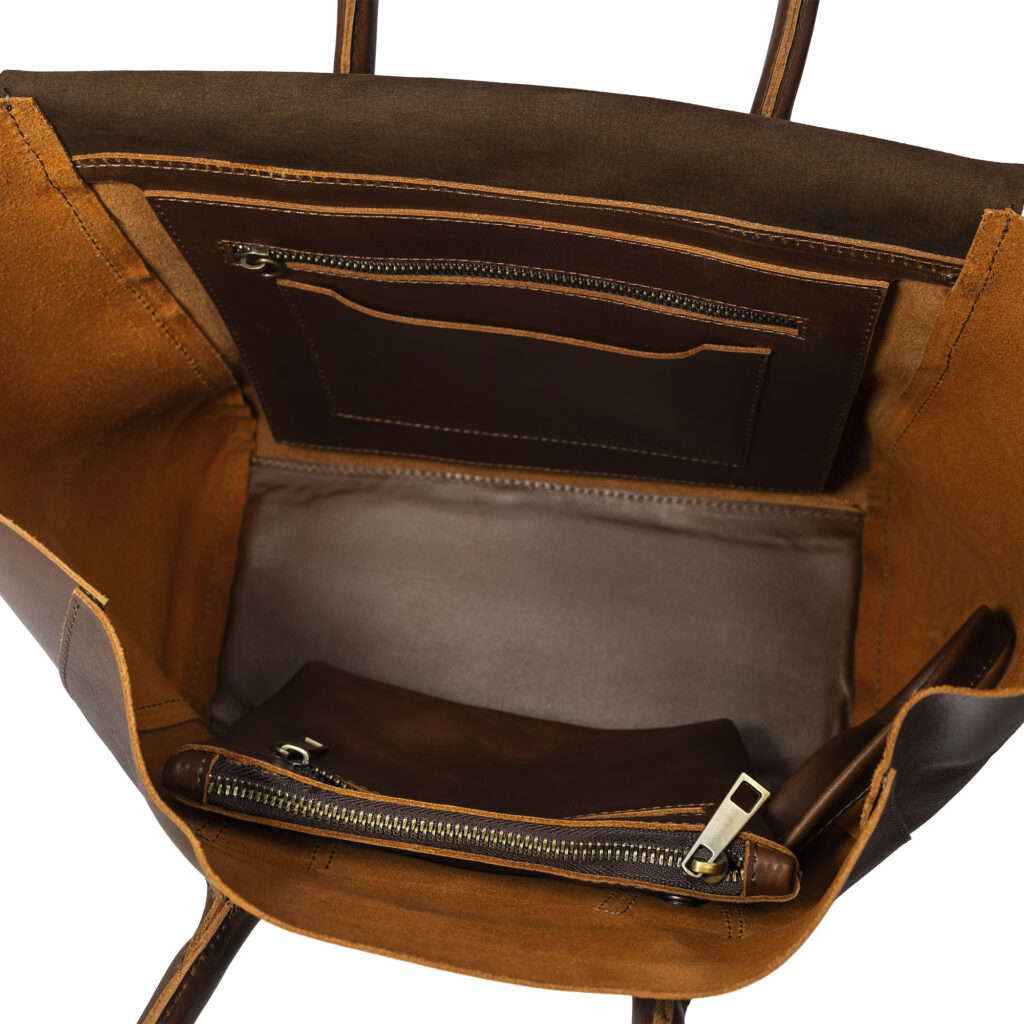
“I can smell the bags at the door.” That’s what one customer said at one of our pop-ups in Concord, California. Why does real leather smell different? What makes it special compared to faux leather? Most people recognize the scent of real leather. This unique fragrance is a direct result of the tanning process. There are two main types of tanning: Vegetable Tanning is one of the oldest methods of leather production. It uses plant-based sources to tan the hide, such as tree bark, leaves, wood, and other natural materials. Chrome Tanning is a modern method of turning animal hide into leather using chromium salts. The tanning process influences the scent of the leather. Vegetable tanning often gives leather an earthy, woody aroma, while chrome tanning may produce a faint metallic or mineral undertone. In both cases, genuine leather should smell natural and inviting. The absence of this warm, complex scent can be a red flag and is often a key difference between real leather and synthetic materials. According to BaliYaBag, you do not need to be a fragrance specialist to develop the skill of identifying real leather. Here are a few practical ways to use scent as a guide: Start with a reference point. Use your JoyWot bag and intentionally notice its scent. Take a moment to recognize the rich, warm, earthy aroma that doesn’t smell artificial. Let that become your comparison standard. Try the direct smell test. When examining a bag, bring it close and take a slow breath in. Does the scent feel natural, warm, and slightly earthy? Or does it smell sharp, plastic-like, or overly chemical? Use gentle friction. Leather is porous and reacts to warmth. Rub a small, discreet area of the bag for about 10–15 seconds. The heat from your fingers can help release the material’s natural aroma. Genuine leather often produces a stronger version of its warm scent, while synthetic materials may release a more noticeable chemical odor. Check the inside. Don’t focus only on the exterior. Open the bag and smell the interior, especially along the seams or in areas without lining. In unlined bags, the natural leather is more exposed, which often reveals a stronger and more authentic scent since it is less affected by dyes, coatings, or surface treatments. The scent of real leather is more than just a pleasant aroma; it reflects the material’s natural origin and craftsmanship. By learning to recognize that warm, earthy scent, you give yourself a simple yet powerful tool to identify quality and authenticity. At Joywot, we value materials that are natural, lasting, and true to their origin. Sometimes, the first sign of quality isn’t what you see it’s what you smell.

Featuring Abby Young Styling Author Introduction Abby Young, Founder of Abby Young Styling Abby Young is a Style & Image Strategist and founder of Abby Young Styling (AYS), advising public-facing leaders on how personal style shapes credibility, authority, and influence. Based in the San Francisco Bay Area, she also serves as Fashion Stylist Director of Troora Magazine. Her work blends image psychology, cultural literacy, and strategic wardrobe planning to support intentional visibility. You can find her on Instagram @abbyyoungstyling or on her website abbyyoungstyling.com Before You Speak, Your Bag Is Already Talking Before you speak, move through a room, or introduce yourself, your bag is already talking. It sits at eye level and moves with you. It is often one of the first elements people register, whether consciously or not. Because of that, it quietly shapes perception long before words enter the picture. Most people choose a bag based on style, practicality, and functionality. Very few consider it as a communication tool. In reality, your bag is one of the strongest visual signals you carry with you. Why Bags Are Read Differently Than Clothing Clothing shifts with seasons, trends, and supports your outfit in different ways; shoes ground you, jewelry elevates you, and jackets complete your look. Now, a bag plays a different role. Bags are read as intentional choices that people can make assumptions from. For example, people might read your bag as more polished, relaxed, formal, casual, current, or refined based on its structure, material, and scale. This is not about luxury or status. It is about coherence. The Visual Language of a Bag Every bag talks with subtle cues. Most people sense these cues before they can even articulate them. Structure and Shape Structured silhouettes are often read as composed and steady. Softer shapes tend to feel relaxed and informal while sturdier shapes tend to feel more polished and formal. Neither is right or wrong, but each sends a different message depending on context. Material and Finish Leather quality, texture, and finish for example suggests polish, timelessness, and intention. Canvas for example communicates ease, function, and practicality. Scale and Proportion When a bag is well proportioned to the body, it feels integrated into the outfit rather than distracting and reads as intentional, composed, and considered. For example, when the size is off, the bag can look disjointed from the outfit and attention shifts away from the person wearing it because the proportion doesn’t match. Context Shapes Meaning It’s important to remember that context can also shape the meaning your bag conveys. What works for a formal event does not always work for an adventure day or for work The most effective bags are not trend driven, they are context aware. A well chosen bag supports the context you are moving through, it doesn’t compete for attention but rather adds and supports your outfit and the room you are in. Choosing an Everyday Bag With Awareness Selecting an everyday bag is less about finding the perfect piece and more about understanding what you want your presence to communicate. Thoughtful design makes this easier. Bags created with everyday use in mind tend to move seamlessly across settings without requiring constant adjustment. Joywot’s approach to design reflects an understanding of this visual language, prioritizing silhouettes and materials that feel intentional without being performative. Joywot approaches everyday bags through this lens, creating pieces designed to support clarity, function, and longevity rather than short term trends. Closing Perspective Your bag is not just an accessory. It is a signal. When chosen with intention, it quietly reinforces credibility, readiness, and ease. When overlooked, it can unintentionally work against the presence you are trying to present. We would love to know what your Joywot bag says about you! Please comment below and let us know. Hiwot illustrates Leather Grades Explained for Everyday Professional Bags, check out her blog post here. Further questions or comments? Please feel free to email me at abby@abbyyoungstyling.com or shoot me a message on IG @abbyyoungstyling or abbyyoungstyling.com
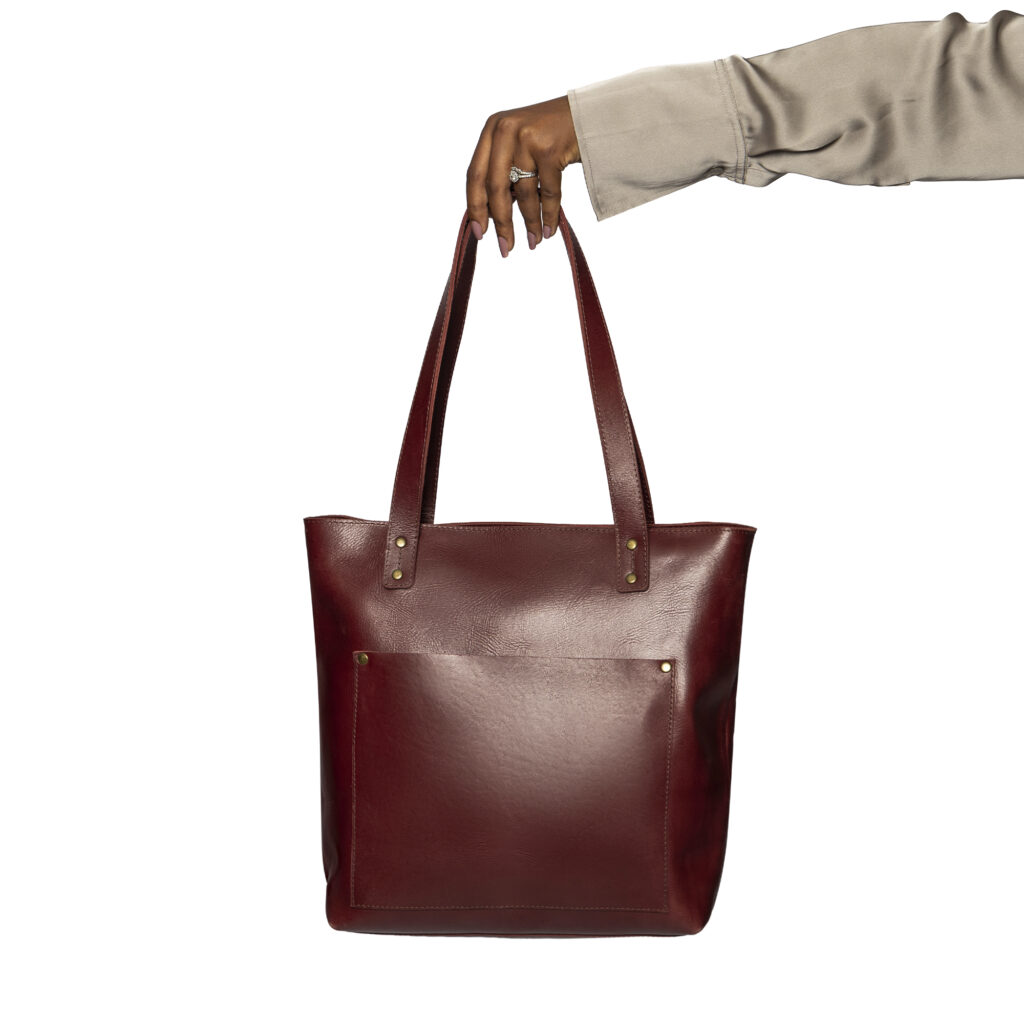
Most of us know what leather is, but fewer people understand that not all leather is the same. Are there different grades? Which part of the animal becomes leather? And why do some leather products last decades while others wear out quickly? Where Leather Comes From Leather is a natural byproduct of the meat industry and comes from the hide of animals such as cows, sheep, or goats after slaughter. Each hide is made up of several layers, but only one becomes leather. The hide consists of: Epidermis – the outer layer that contains hair or fur (this is removed) Dermis – the thick, collagen-rich middle layer that becomes leather Subcutaneous tissue – the inner layer made of fat and flesh (discarded) Once the hair is removed, the dermis is treated, tanned, and finished into leather. Common Types (Grades) of Leather Full-Grain Leather Full-grain leather is considered the highest quality and most durable leather available. It comes from the top layer of the hide and retains the natural surface of the skin. Because it is not sanded or heavily processed, it keeps its original grain, including natural markings like pores, wrinkles, and small scars. This minimal processing allows full-grain leather to remain strong, breathable, and moisture-resistant. Over time, it develops a beautiful patina, giving each piece a richer character and a story of its own. Top-Grain Leather Top-grain leather is also taken from the upper layer of the hide but is lightly sanded to remove surface imperfections. This creates a smoother, more uniform appearance. Because the sanding removes some of the strongest fibers, top-grain leather is slightly less durable than full-grain. However, it is often finished with a protective coating, making it more resistant to stains and scratches while still maintaining a refined look. Genuine Leather Despite the name, “genuine leather” refers to a lower grade. It is made from the remaining layers of the hide after the top layers have been removed. These layers are weaker and less durable. To improve its appearance, genuine leather is often treated with artificial textures and surface coatings. While it is real leather, it does not age as well and tends to feel stiffer compared to higher-grade options. Bonded Leather Bonded leather is considered the lowest leather grade. It is made from leftover leather scraps and fibers that are shredded, mixed with bonding agents like polyurethane or latex, and then pressed onto a fabric or paper backing. Although bonded leather may look like real leather at first glance, it lacks strength, flexibility, and longevity. Over time, it is more likely to crack or peel. Our Choice at Joywot Origin At Joywot Origin, we believe quality matters.That’s why all of our bags are crafted from full-grain leather, except for our suede pieces, which are intentionally selected for their soft texture and design purpose. When you choose Joywot Origin, you’re investing in: Durable, long-lasting materials Thoughtfully designed, limited-edition pieces Handcrafted bags made with care and intention Leather tells a story and we design our bags to age beautifully with you. Source & Inspiration: Bosca – Types of Leather: A Glossary